Energy from Food: Core Mechanisms
Understanding how your body extracts and uses energy from the food you consume
How Your Body Processes Food for Energy
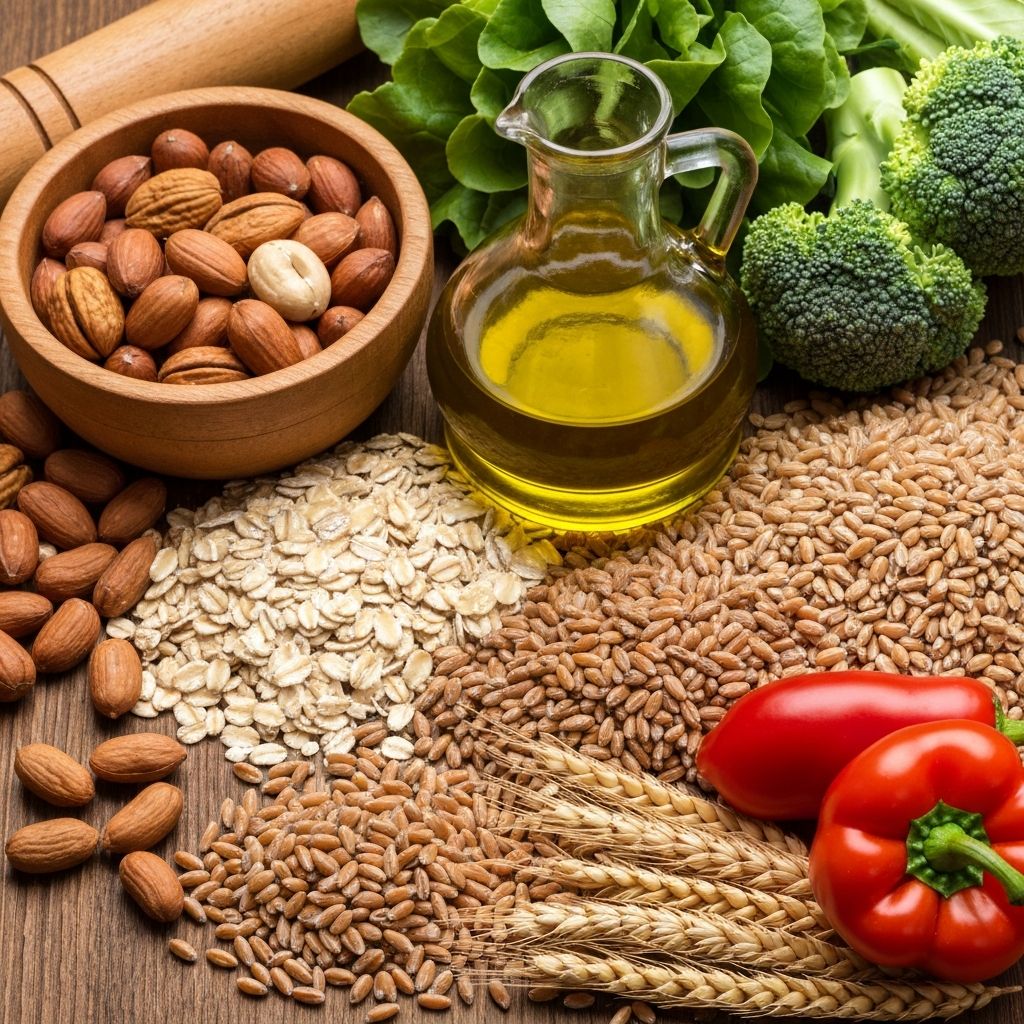
Every food you consume contains chemical energy stored in molecular bonds. Your body's primary task is to break these bonds and capture that energy in a form it can use: adenosine triphosphate (ATP).
This process begins immediately. As soon as food enters your mouth, mechanical and chemical breakdown starts. Enzymes in saliva begin breaking down carbohydrates, while your stomach's acidic environment prepares proteins for digestion.
In the small intestine, specialized enzymes complete the breakdown of macronutrients into their basic building blocks: glucose from carbohydrates, amino acids from proteins, and fatty acids from fats.
Cellular Energy Production
Once absorbed through the intestinal wall, nutrients enter the bloodstream. Glucose travels directly to cells that need energy. When glucose enters a cell, it undergoes a series of chemical reactions collectively known as cellular respiration.
Glycolysis: The first stage occurs in the cell's cytoplasm. One glucose molecule is split into two molecules of pyruvate, releasing a small amount of energy captured in ATP. This process does not require oxygen.
The Krebs Cycle: Pyruvate enters the mitochondria, where it participates in a circular series of chemical reactions. These reactions extract more energy from the molecule and generate molecules that carry electrons.
The Electron Transport Chain: These electron carriers deliver their cargo to the inner mitochondrial membrane. Here, electrons move through a series of proteins in a controlled cascade. This movement pumps protons, creating a gradient that powers ATP synthase, the enzyme that produces massive quantities of ATP.
From a single glucose molecule, cells can generate approximately 30-32 ATP molecules. This is remarkably efficient energy extraction.
Different Fuels, Similar Process
Carbohydrates: Break down to glucose, entering glycolysis directly. They provide immediate energy because the glucose is readily available.
Proteins: Broken into amino acids. Your body preferentially uses these for building and repairing tissue. However, if energy is needed and carbohydrates are scarce, amino acids can enter cellular respiration after conversion to pyruvate or other intermediates.
Fats: Broken into glycerol and fatty acids. Fatty acids undergo beta-oxidation in the mitochondria, producing acetyl-CoA that enters the Krebs Cycle. Fats are energy-dense, containing 9 calories per gram compared to 4 calories per gram for carbohydrates and proteins.
Energy Storage and Regulation
Your body does not immediately use all consumed energy. When energy is abundant, your body stores it for later use.
Excess glucose is stored as glycogen in muscles and the liver. This storage form allows quick energy access during physical activity or between meals. However, glycogen storage capacity is limited—roughly 300-600 grams total.
When glycogen stores are full and energy continues to arrive, glucose is converted to fat through a process called lipogenesis. Fat storage capacity is essentially unlimited, making it the body's primary long-term energy reservoir.
During periods when food is not consumed (fasting, sleep), your body reverses these processes. Glycogen breaks down back to glucose through glycogenolysis. When glycogen depletes, fat stores break down through lipolysis, releasing fatty acids for energy.
Metabolic Rate and Energy Expenditure
The rate at which your body produces ATP depends on several factors:
- Activity level: Muscle contraction dramatically increases ATP demand, accelerating cellular respiration.
- Basal metabolic rate: Even at rest, your body expends energy maintaining body temperature, supporting organ function, and synthesizing proteins and other molecules.
- Thermogenesis: The process of heat production contributes to total energy expenditure. This includes obligatory thermogenesis (necessary body functions) and adaptive thermogenesis (heat production in response to cold or dietary factors).
- Hormonal status: Thyroid hormones accelerate cellular respiration. Cortisol and adrenaline mobilize stored energy during stress responses.
Key Takeaways
Energy from food is not mysterious. Your body breaks down nutrients through well-understood chemical reactions, extracting energy in the form of ATP that powers every cellular function.
Different nutrients follow different pathways but ultimately converge on the same central energy production system in the mitochondria.
Your body actively regulates energy storage and use based on current availability and anticipated needs, influenced by hormones, activity level, and metabolic factors.