Understanding Nutrition and Body Weight Science
Explore the scientific foundations of how your body processes food, manages energy, and maintains wellness through evidence-based nutrition knowledge.

Educational content only. No medical services. No promises of outcomes.
Introduction to Nutrition Fundamentals

Nutrition science examines how the body utilizes food to maintain structure, function, and energy. Understanding these fundamental processes helps you grasp why different foods affect your body in specific ways.
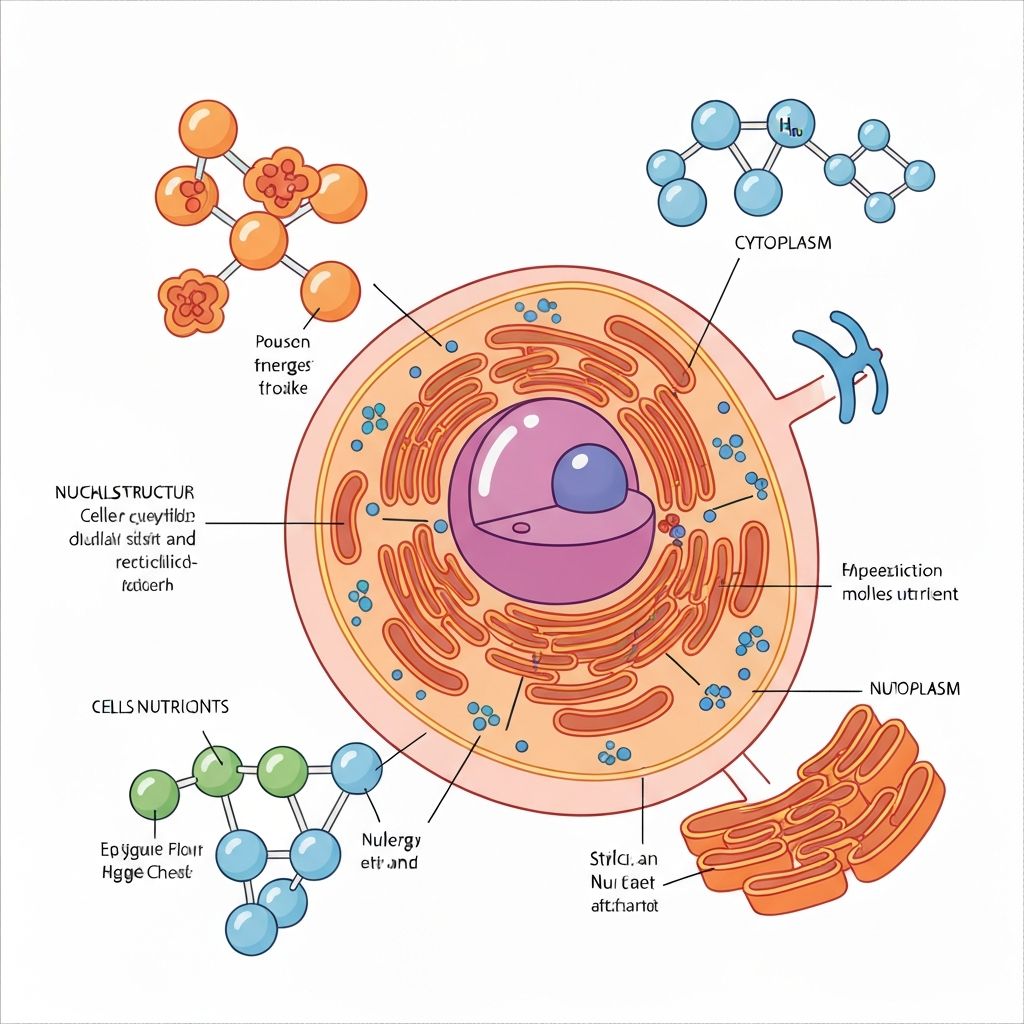
The human body requires a consistent supply of macronutrients (carbohydrates, proteins, fats) and micronutrients (vitamins, minerals) to perform basic functions. These nutrients are broken down during digestion, absorbed through the intestinal walls, and transported throughout the body to support cellular operations.
Water plays an essential role in nearly every biological process: temperature regulation, nutrient transport, waste removal, and cognitive function. Adequate hydration is fundamental to metabolic efficiency.
Debunking Common Nutrition Myths
The nutrition field is filled with misconceptions. Science clarifies what actually happens in your body:
Myth: Carbohydrates inherently cause weight gain
Reality: Weight changes depend on total energy intake and expenditure. Carbohydrates provide essential energy and fiber. Whole carbohydrate sources (oats, brown rice, vegetables) support metabolic health when consumed in appropriate portions.
Myth: Skipping meals accelerates metabolism
Reality: Prolonged fasting temporarily slows metabolic rate as the body conserves energy. Regular, consistent eating patterns support stable energy levels and metabolic function.
Myth: All calories are processed identically
Reality: While total energy matters, different foods trigger different hormonal responses. Protein requires more energy to digest than simple carbohydrates. Whole foods provide satiety signals and micronutrients that processed foods lack.
Myth: Eating at night causes automatic weight gain
Reality: Timing has minimal metabolic effect. Total daily intake and overall activity level determine energy balance, not meal timing.
How Nutrients Support Body Functions
Proteins: Form the structural basis of muscles, organs, skin, and immune cells. They also function as enzymes that accelerate chemical reactions and hormones that regulate bodily processes.
Carbohydrates: Primary fuel source for the brain and muscles. Fiber, a complex carbohydrate, supports digestive health and blood sugar regulation.
Fats: Essential for hormone production, cell membrane integrity, brain function, and absorption of fat-soluble vitamins (A, D, E, K).
Micronutrients: Vitamins and minerals catalyze thousands of biochemical reactions. Iron transports oxygen, calcium builds bones, zinc supports immune function.
Daily Factors Influencing Energy Balance

Energy balance—the relationship between calories consumed and expended—determines changes in body composition. However, this process is more complex than simple arithmetic.
Sleep quality: Impacts hunger hormones (ghrelin and leptin). Inadequate sleep increases appetite and reduces energy expenditure.
Physical activity: Includes structured exercise and daily movement (walking, occupational activity). Muscle tissue metabolically active, requiring more energy at rest.
Stress levels: Chronic stress elevates cortisol, affecting appetite regulation and metabolic rate.
Hormonal patterns: Thyroid function, insulin sensitivity, and reproductive hormones all influence metabolic rate and nutrient storage.
Sustainable approaches consider these interconnected systems rather than focusing exclusively on caloric numbers.
Explore Our Research-Based Blog
Dive deeper into specific nutrition science topics with detailed explanations grounded in research.



Frequently Asked Questions
Is this site providing medical or dietary advice?
No. PurelyNutritious delivers educational content only. We explain nutrition science principles without offering personalized recommendations. Consult healthcare professionals for individual guidance.
Why don't you recommend specific diets or products?
Our mission is to explain how nutrition science works, not to influence your choices. Different nutritional approaches may work for different people depending on individual circumstances, preferences, and health status.
What qualifies information as science-based on this site?
We focus on principles supported by established nutritional science and physiology. We avoid trends, claims unsupported by evidence, and anything promoting specific products or services.
Can I apply this information immediately?
This site explains how nutrition works. Real-world application depends on your individual health status, goals, and circumstances. Significant dietary changes warrant consultation with qualified nutrition professionals.
Continue Your Learning
Explore more detailed explanations, research-based articles, and scientific foundations of nutrition knowledge.
Explore more articles